

Starting a home baking business in India has never been more rewarding, or more competitive. With the home bakery market in India growing rapidly post-pandemic, thousands of passionate bakers are turning their kitchen ovens into thriving small businesses. But between mastering recipes, sourcing quality supplies, and figuring out packaging, pricing, and FSSAI registration, the journey can feel overwhelming.
This complete guide walks you through every step, from your first batch of cookies to your hundredth cake order, with practical advice on equipment, ingredients, packaging, branding, and scaling. Whether you're baking from a Bangalore apartment, a Mumbai studio kitchen, or a Delhi home bakery, this guide is built for the real Indian home baker.
Why Home Baking Is Booming in India in 2026
India's home bakery industry has exploded over the last five years. Instagram has become the new shop window, WhatsApp the new POS, and home kitchens the new patisseries. Customers increasingly prefer freshly baked, customised, hand-finished cakes and desserts over mass-produced bakery options. Birthdays, anniversaries, baby showers, weddings, corporate gifting, and festival hampers, every occasion now demands something personal and beautifully presented.
This is great news if you're starting out. The barrier to entry is low, the margins are healthy, and demand is consistent year-round, peaking during Diwali, Christmas, Valentine's Day, and wedding season. But to convert this opportunity into a real, profitable business, you need more than good recipes. You need the right tools, the right packaging, the right pricing strategy, and a brand customers trust.
Step 1: Decide Your Baking Niche
The biggest mistake new home bakers make is trying to bake everything. Cakes, cookies, brownies, cupcakes, breads, chocolates, macarons, all at once. This kills your consistency, inflates your inventory costs, and confuses customers about what you actually sell.
Pick one or two specialities and master them first. Some of the most profitable niches for Indian home bakers in 2026 include:
Custom theme cakes: Birthday cakes for kids, anniversary cakes, and designer wedding cakes carry the highest margins. These pair beautifully with character-driven cake toppers and decorative elements.

Brownies and cookies: Lower per-unit price but high volume, perfect for online subscription boxes and corporate gifting. They also have excellent shelf life when packed in good brownie boxes and cookie boxes.
Festive hampers and gift boxes: Diwali, Rakhi, Christmas, and corporate gifting drive massive seasonal revenue. A well-designed hamper box can transform a ₹500 product into a ₹1,200 gifting solution.
Healthier bakes: Sugar-free, gluten-free, vegan, eggless, and millet-based desserts are no longer niche, they're mainstream. Indian customers are actively searching for healthier alternatives.
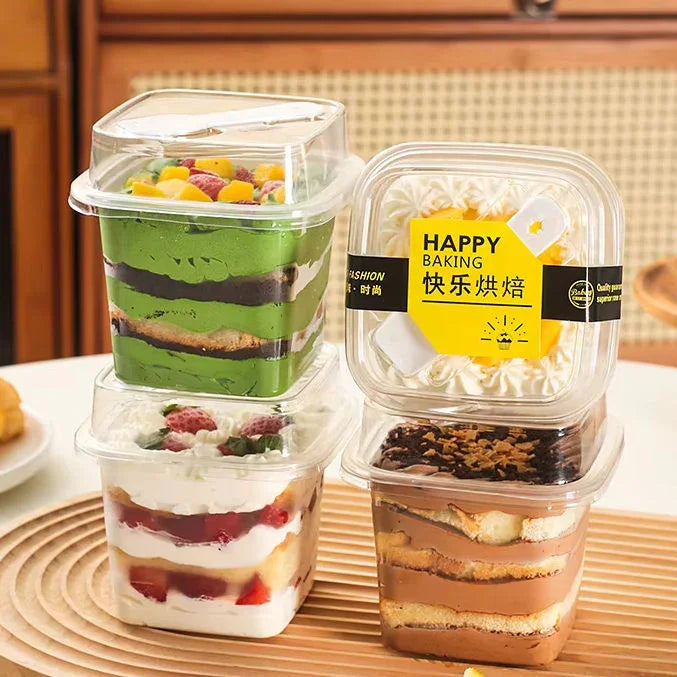
Dessert tubs and jar desserts: Tiramisu tubs, mousse cups, and cheesecake jars have exploded in popularity thanks to social media. They pair perfectly with dessert tubs and acrylic dessert cups.
Step 2: Set Up Your Home Baking Kitchen
You don't need a commercial kitchen to start, but you do need the right tools. Investing in quality equipment from day one saves you money in the long run, ensures consistent results, and lets you scale without re-buying everything.
Essential Bakeware Every Home Baker Needs
Start with the basics that you'll use on every order. A good aluminium cake mould set in 6-inch, 8-inch, and 10-inch sizes covers the most common cake orders. Metal bakeware distributes heat evenly and produces sharper edges, the kind professional bakers swear by.

For cookies and brownies, invest in non-stick trays and a quality silicone baking mat. These are reusable, eco-friendly, and eliminate the need for parchment paper, saving you money on every bake.
If you're serious about chocolates, mousse cakes, or themed desserts, silicone moulds are non-negotiable. They release cleanly, come in hundreds of shapes, and are perfect for both beginners and pros.

Decoration and Finishing Tools
This is where home bakers separate themselves from average ones. Smooth frosting, sharp edges, and beautiful piping are what get customers to repeat-order and refer friends. Make sure your toolkit includes:
A turntable for smooth, professional buttercream finishes. A good set of scrapers for clean cake edges. Quality piping bags and a versatile nozzle set for borders, rosettes, and intricate detailing. A cake stencil collection for quick, professional patterns. Cookie cutters in seasonal and themed designs to expand your product range without expanding your skill curve.

Step 3: Source Quality Baking Ingredients
Your final product is only as good as your ingredients. Many new bakers try to save money by buying retail-pack flour, butter, and chocolate from local supermarkets. This works for hobby baking, but it kills you on margins and consistency once you start taking orders.
Switch to wholesale bakery suppliers for your core baking ingredients as soon as you start receiving regular orders. The price difference between retail and wholesale is typically 25 to 40 percent, that's the difference between a struggling home bakery and a profitable one.

Chocolate: Compound vs Couverture
Chocolate is the single biggest ingredient cost for most home bakers. Choosing between compound and couverture chocolate depends on your product and price point. Compound chocolate is easier to work with, doesn't require tempering, and is more affordable, perfect for ganaches, drips, and cake coverings. Couverture has real cocoa butter, a superior mouth-feel, and a glossy snap, ideal for premium chocolates, bonbons, and high-end orders.
Colours, Essences, and Decorative Elements
Build a small but versatile palette of food colours in gel and liquid forms. Essences like vanilla, chocolate, butterscotch, and pineapple are everyday essentials. Fondant opens up the world of designer cakes, while sugar confetti and wafer paper add quick visual impact without complicated technique.
For finishing touches that make your cakes pop on Instagram, invest in beautiful spreads and sauces for dripping cakes and tubs.
Step 4: Master Your Packaging (This Is Where You Win or Lose)
Here's a truth most home bakers learn the hard way: customers judge your bakery by your packaging more than your taste. A perfectly baked cake delivered in a flimsy, generic cardboard box screams "amateur." The same cake delivered in a clean, branded, beautifully finished box feels worth twice the price.
Packaging is also where you protect your reputation. A cake that arrives crushed, smudged, or melted, no matter how good it tastes, will lose you that customer forever and probably their friends too.
Cake Boxes: Your Most Important Investment
Build a sized inventory of cake boxes in your three most common sizes: half kg (8x8 inch), 1 kg (10x10 inch), and 2 kg (12x12 inch). Window boxes are excellent for premium customers who want to see what they're getting. Acrylic boxes elevate single-serve desserts and small cakes into a luxury offering.
For taller cakes and tier cakes, you need sturdy cake bases that prevent the cake from warping, cracking, or sliding during transport. Pair these with cake stands for events and pickups where presentation matters.
Cupcake, Brownie, and Cookie Packaging
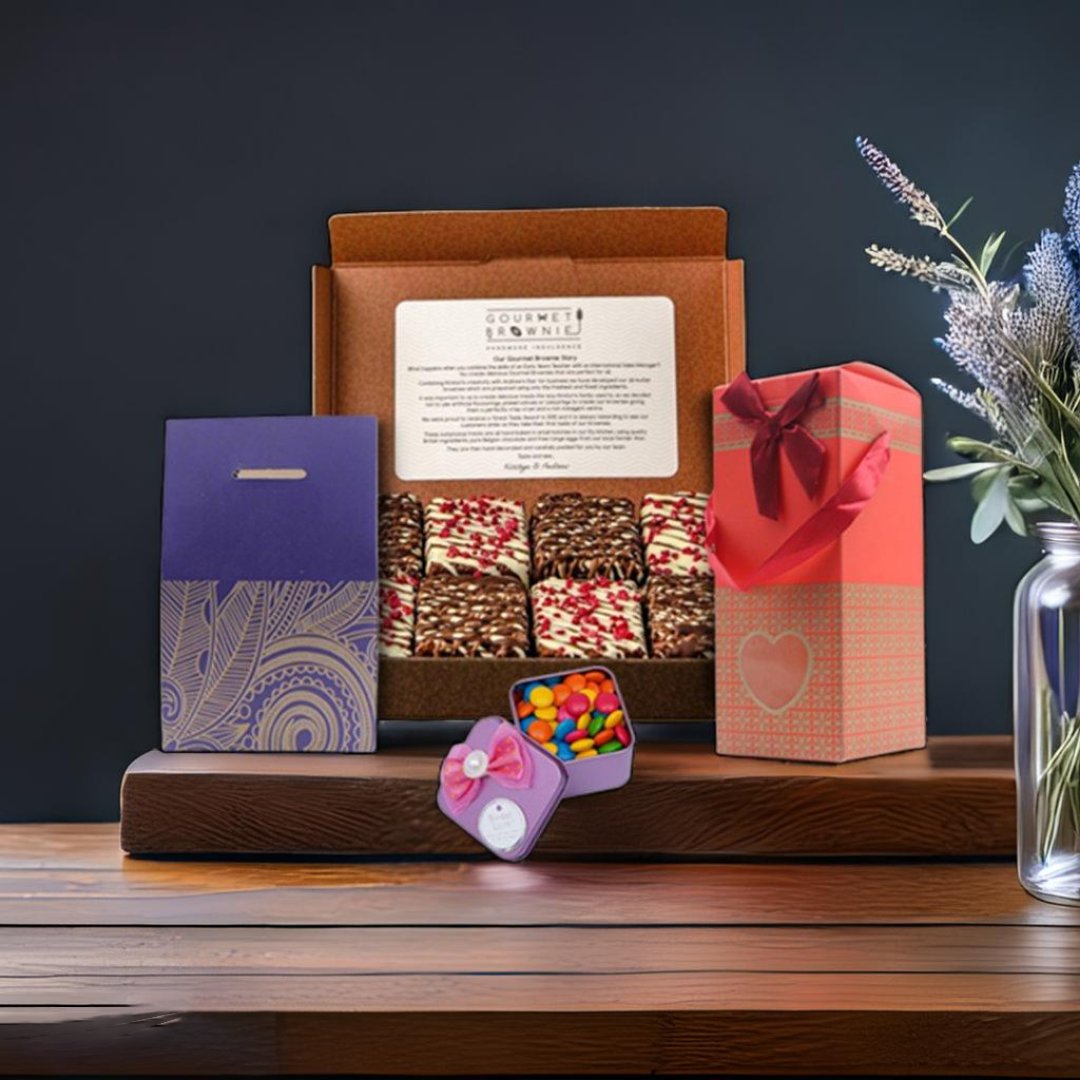
Each product needs purpose-built packaging. Cupcake boxes with inserts hold 4, 6, or 12 cupcakes without smudging. Brownie boxes in window-cut designs are perfect for gifting. Cookie pouches and cookie boxes let you sell by weight, by piece, or as gift sets.
For dessert tubs, jar desserts, and mousse cups, stock dessert containers with lids in multiple sizes. Clamshell boxes are ideal for individual servings and corporate orders.
Bags, Pouches, and Carry Solutions
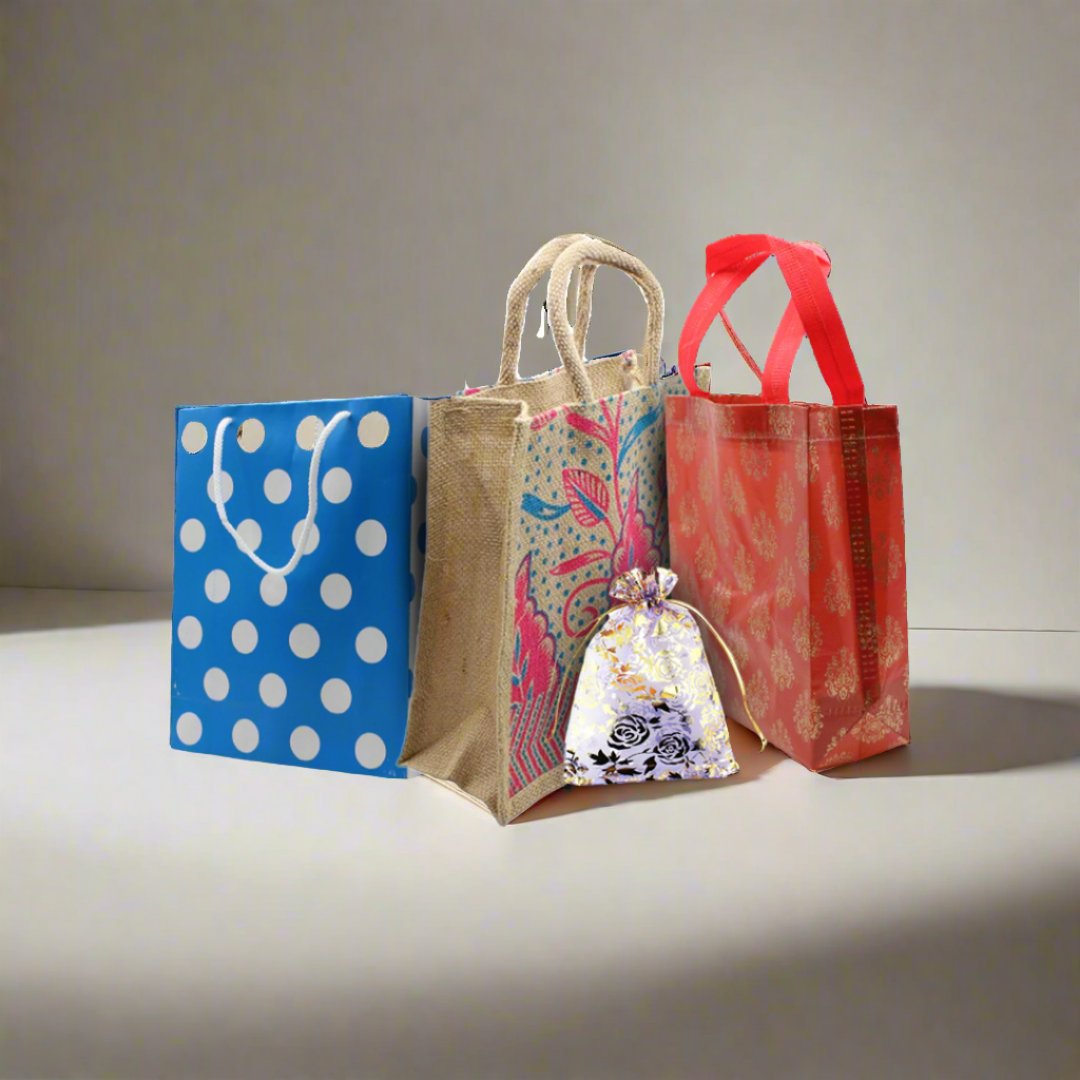
Don't ship a beautiful box in a plain plastic carrier. Cake bags with handles make pickup and delivery look professional and prevent box damage. Courier covers are essential for online orders, they're tamper-evident, weather-resistant, and protect your packaging from dirt and damage.
For festive sellers, potli bags and transparent gift bags are gold during Diwali, Rakhi, and wedding season.
Step 5: Build Your Hamper and Gifting Range
If you're not selling hampers, you're leaving 30 to 40 percent of your potential revenue on the table. Festival gifting in India is a multi-thousand-crore industry, and home bakers are perfectly positioned to capture it.
A well-curated hamper combines two or three of your bestsellers, brownies, cookies, chocolates, into a single premium-priced gift. Use a hamper box with cavity inserts, add a personalised note, decorative shredded paper filling, and finish with quality ribbons.

For Diwali specifically, focus on dry fruits, mithai, and chocolate combinations. Use sweet and dry fruit boxes with elegant compartmentalised trays. Add tealights, candles, and decorative flowers to elevate the unboxing moment.
Corporate clients are a hugely underrated segment. A single corporate Diwali order of 50 to 200 hampers can match an entire month of retail revenue. Browse the dedicated Diwali special collection and Christmas collection to source seasonal packaging at wholesale prices.
Step 6: Get FSSAI Registered and Legally Compliant
FSSAI registration is non-negotiable for any home baker selling food in India. The good news: it's affordable, simple, and gives your business instant credibility. Here's a quick breakdown:
Basic Registration: If your annual turnover is under ₹12 lakh, you only need basic FSSAI registration. The fee is ₹100 per year and the process can be done online in under 30 minutes.
State License: If your turnover is between ₹12 lakh and ₹20 crore, you need a State License. Fees vary from ₹2,000 to ₹5,000 depending on your category.
Display your FSSAI number on every box, label, and online listing. Customers, especially corporate buyers, increasingly check for it. It's also legally mandatory under the Food Safety and Standards Act.
Step 7: Price Your Bakes for Profit (Not Just Survival)
Most home bakers under-price themselves into burnout. They calculate ingredient cost, add a small margin, and call it a day, completely forgetting electricity, gas, packaging, delivery, social media time, and most importantly, their own labour.
A simple, sustainable pricing formula:
Selling Price = (Ingredient Cost + Packaging Cost + Overheads) × 3 to 4
Yes, multiply by three at minimum. This isn't greedy, this is industry standard. Ingredients should never be more than 25 to 30 percent of your selling price. The rest covers packaging, electricity, gas, depreciation on equipment, your time, marketing, and profit margin.
For premium cakes and corporate orders, multiply by four or even five. Customers buying customised, theme-based, or last-minute orders are paying for the experience, not just the cake.
Step 8: Build Your Brand Online
Your Instagram and WhatsApp are your storefront, your marketing, and your customer service all rolled into one. Spend time on them.
Photograph every order before delivery, in good natural light, with clean backgrounds. Use a cake stand as a prop, place desserts on rustic wooden boards, and let beautiful packaging do half the work for you.
Build content pillars: behind-the-scenes baking videos, customer reviews, "before and after" cake reveals, packaging unboxings, and seasonal specials. Consistency matters more than perfection. Post three times a week, every week, for six months and watch your following compound.
Use branded stickers and custom tags on every box. These tiny details turn one-time buyers into repeat customers because they remember your name when they want to order again.
Step 9: Manage Deliveries and Logistics
Delivery is where most home bakers either delight or disappoint customers. Build a system early.
For local orders within your city, partner with reliable bike delivery apps like Porter, Dunzo, or Borzo. Always pack inside courier covers with adequate padding. Brittle cookies, fragile chocolates, and tall cakes need extra protection, use shredded paper or bubble wrap inside the outer cover.
For outstation orders, particularly cookies, brownies, and chocolates that travel well, use sealed ziplock pouches or moisture-resistant pouches inside sturdy boxes. Add silica gel for humid climates and a "Fragile, Handle With Care" sticker on every package.
Step 10: Scale Smart, Not Fast
Every home baker eventually faces the moment when orders outpace capacity. This is the dangerous tipping point, scale wrong, and you compromise quality, miss deadlines, and lose customers. Scale right, and you graduate from home baker to local brand.
The first step in scaling is buying in bulk. Switch entirely to wholesale baking packaging supplies and wholesale baking ingredients. The savings on packs of 50 or 100 can be 30 to 50 percent compared to retail.

Bakeyy's exclusive Bakeyy Super programme is designed specifically for growing home bakeries, giving you wholesale pricing, dedicated support, and low minimum order quantities. If you're in Bangalore, the exclusive Bangalore pricing programme offers even better rates and same-day pickup.
Next, standardise your menu. Reduce the number of products you offer but improve the quality and presentation of each. A focused menu of 8 to 12 hero products will always outperform a chaotic menu of 40.
Finally, hire help before you burn out. Your first hire is usually a part-time helper for piping, packing, or deliveries. Even five extra hours of help per week can let you take 30 percent more orders.
Common Mistakes New Home Bakers Make (And How to Avoid Them)
Mistake 1: Underpricing. Charging "friend rates" forever. Friends should celebrate your business, not exploit it. Charge full price from day one.
Mistake 2: Skipping packaging. Using whatever box is cheapest at the local store. Customers see this. Branded, sized, professional packaging is an investment, not an expense.
Mistake 3: Saying yes to everything. Custom 10-flavour 4-tier cakes for Sunday delivery on Saturday night. Learn to say no, charge premium for rush orders, and protect your sanity.
Mistake 4: Ignoring shelf life. Selling brownies in non-airtight packaging that goes stale in 24 hours. Use proper ziplock pouches and sealed containers.
Mistake 5: Not tracking finances. Mixing personal and business money. Open a separate account, track every expense, and review monthly profits.
Final Thoughts: Your Home Baking Journey Starts Now
Starting a home baking business in India in 2026 is one of the most rewarding entrepreneurial journeys available, creative, flexible, profitable, and deeply personal. Every cake you bake, every box you pack, every customer you delight builds a brand that is uniquely yours.
The bakers who succeed long-term are the ones who treat the small things as seriously as the big ones. Quality ingredients. Beautiful packaging. Honest pricing. Reliable delivery. Consistent branding. None of it is glamorous individually, but together it creates a bakery that customers return to and recommend.
Bakeyy.com is built to support home bakers at every stage of this journey, from your first set of baking tools and accessories to your hundredth bulk hamper order. Browse new arrivals for the latest trending products, explore complete collections across bakeware, packaging, ingredients and gifting, and join Bakeyy Super when you're ready to unlock wholesale-level pricing.
Now stop reading. Preheat your oven. Your home baking business starts today.